
Contents
What Is the Cost of a Fine Line Tattoo Course?
If you’ve been eyeing the rise of delicate, detailed ink and wondering where to start, you’re in good company. At Cosmetic Tattoo Melbourne Studio, we’ve seen firsthand how fine line tattoo courses can open doors for beauty professionals and beginners alike. Ever wanted start your own way in beauty business and wonder what Is the cost of a fine line tattoo course?
You’re not alone. In 2025, cosmetic tattooing is booming in Australia — with fine line body art making its way from street studios into beauty clinics and boutique salons. Among the fastest-growing trends in the tattoo industry, fine-line tattooing appeals to everyone from tattoo enthusiasts to experienced beauty professionals.
But before you sign up for the next tattoo training course that pops up on your Instagram feed, let’s break down what the real costs are — in money, time, and commitment.
Spoiler: it’s more than just a weekend workshop and a pretty certificate.
We regularly get inquiries about fine line tattoo courses — and for good reason. They offer a flexible, high-impact way to enter or diversify within the tattooing industry.
What It Is and Why It’s So Popular
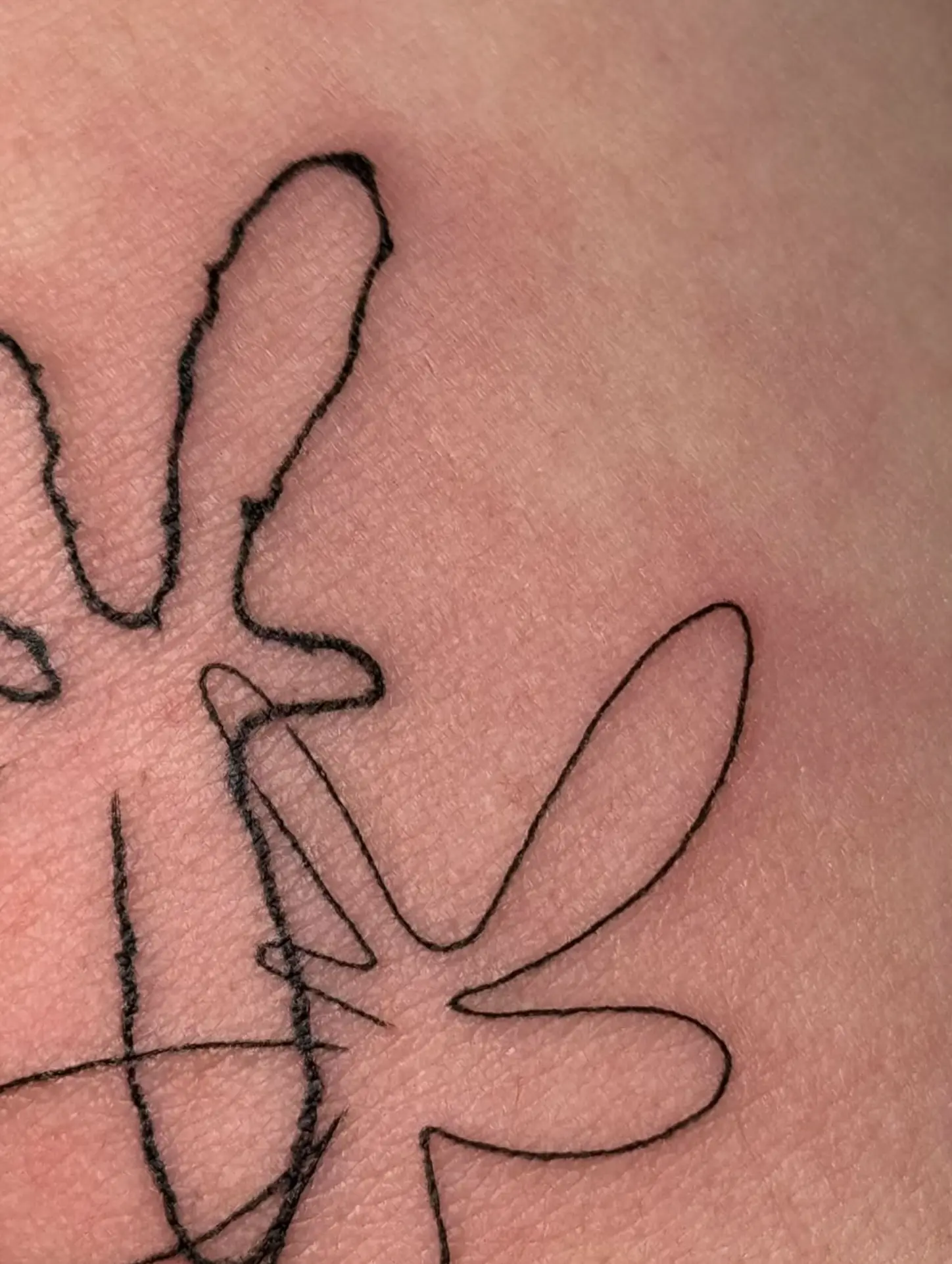
Delicate, minimalist, and deceptively detailed — fine line tattoos are having a moment.
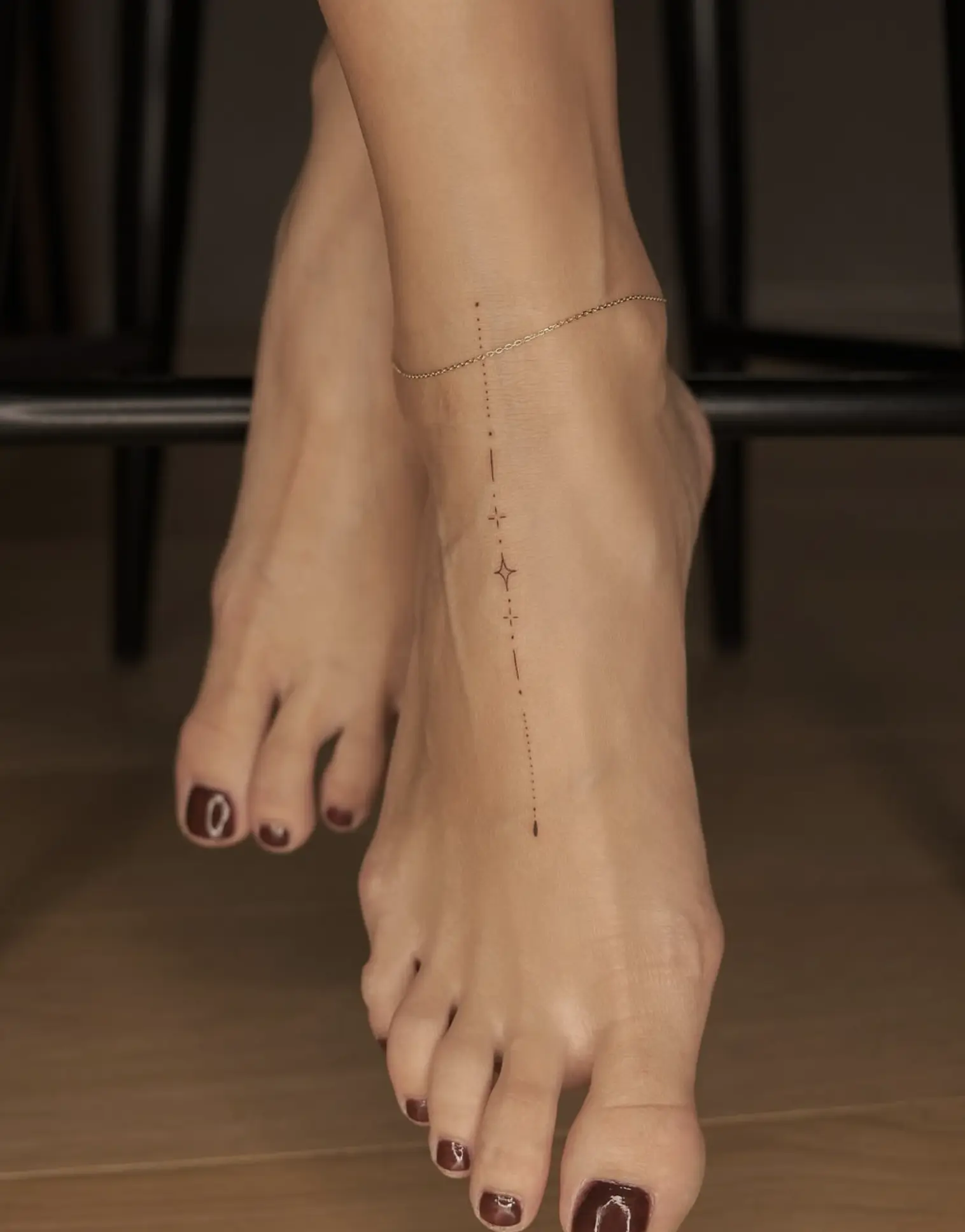
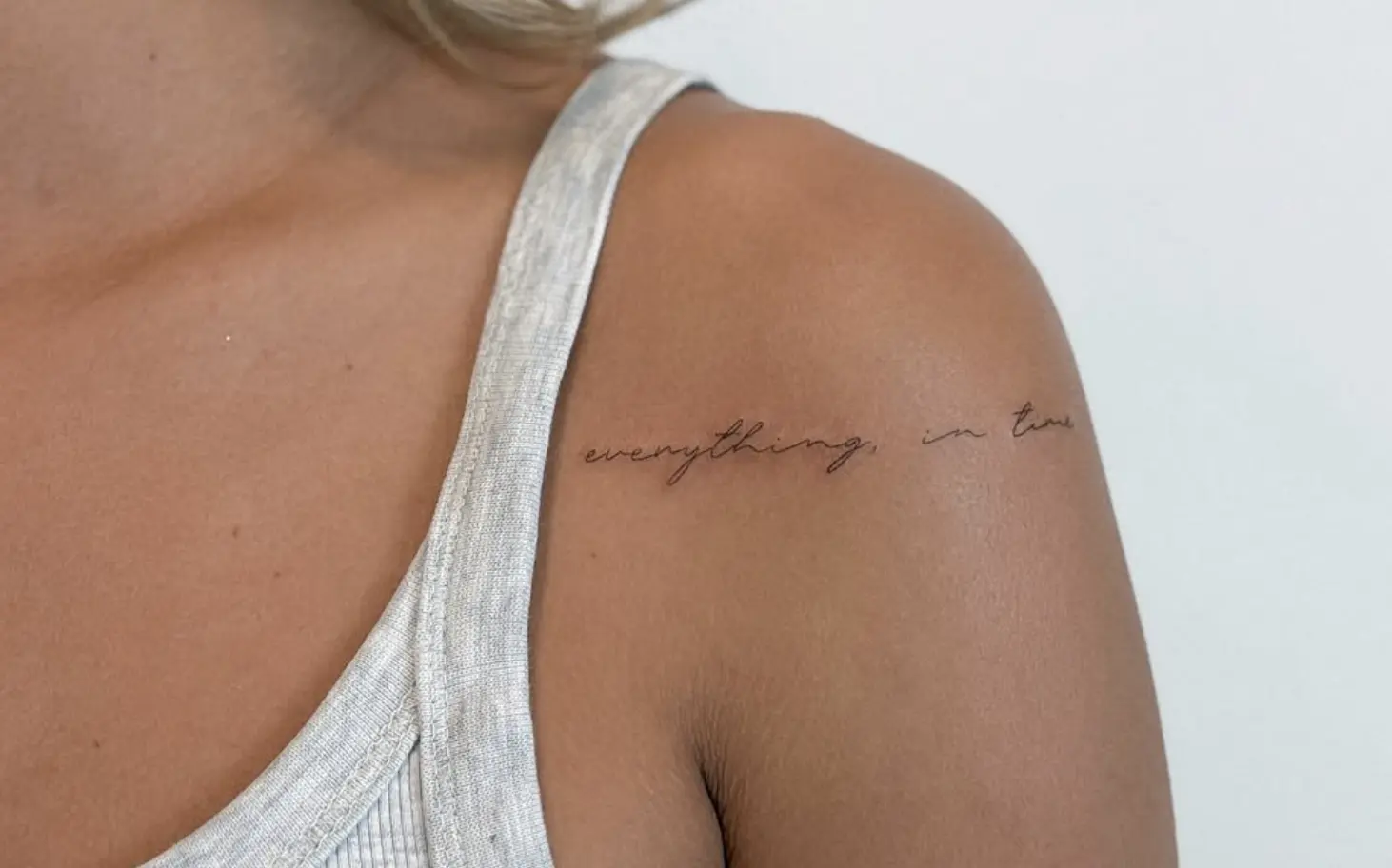
Fine-line tattooing uses single-needle or three-round-liner configurations to create intricate designs with ultra-thin outlines. Think tiny butterflies, dainty script, and micro florals — the kind of work that requires precision, patience, and a very steady hand.
It’s trending because:
- It’s gentler on tattoo skin than traditional bold-line work
- It appeals to tattoo enthusiasts who want a brand-new look without a bold commitment
- It aligns with the clean-girl aesthetic and curated minimalism of 2025
According to the Australian Tattoo Industry 2025 Insight Report, demand for fine-line tattooing services has grown by 38% in the past 18 months, with over 60% of that demand coming from women aged 25–40.
But to do it well? You need more than artistic flair. You need tattooing skills built on practical learning and essential safety knowledge.
Cost in Australia
Here’s the truth: it varies. A lot.
Courses can range anywhere from $1,500 to over $12,000, depending on a few key factors:
| Type of Tattoo Training Course | Cost Range (AUD) | Inclusions |
|---|---|---|
| One-day intro workshop | $1,500–$3,000 | Basic knowledge, theory, demo only, no practical training |
| 3-5 day fundamentals course | $3,500–$6,000 | Tattooing tools, machine techniques, tattoo gun use, and synthetic skin practice |
| 1-2 week intensive | $6,000–$9,000 | Hands-on tattooing experience on models, hygiene protocols, and licensing guidance |
| Full apprenticeship program | $9,000–$12,000+ | Salon placement, tattoo trainer mentorship, extensive model work, expert guidance |
And yes — payment options are often available, especially for longer courses.
Remember: the most expensive course isn’t always the best — but if it’s cheap and vague, that’s a red flag. Always check who’s teaching, what’s included, and whether your successful completion qualifies you to legally practise.
What Are You Actually Paying For?
Good question. Here’s what your course fee should cover:
1. Tattooing tools + materials
- Tattoo gun or rotary machine
- Needles and grips
- Power supply
- Tattoo pigment (typically black for fine-line)
- Skin pads or synthetic tattoo skin
2. Certification + safety units
- Essential safety and hygiene protocols (e.g. HLTINF005 or HLTINF006)
- Licensing requirements for permanent residents and locals
- Contact details for health departments and licensing offices
3. Ongoing support + tattooing knowledge
- Feedback from your tattoo trainer or mentor
- Access to design sources and resources
- Case study guidance and critique
Without practical training and careful guidance, you’re just learning theory — and that won’t help you master straight lines or develop a sterile workspace.
Hidden Costs No One Talks About
Before you budget, factor in the extras most course pages skip over:
- Council registration + licensing fees: $250–$500
- Tattooing business setup costs (if working solo): $3,000+
- Additional model fees (if not included): $50–$150 per model
- Ongoing practice materials: $300+ per quarter
- Insurance: $600–$1,200 annually
- Extra safety units or days online for infection control: varies
Also factor in travel, accommodation, or lost income if your training isn’t local.
Is This Course Actually Worth It?
You’re investing serious coin — so here’s how to spot the difference between an Insta-funnel and a course that delivers industry standards:
✅ DO look for:
- Tattoo trainers with real-world experience and visible healed work
- Practical knowledge delivered through hands-on model work
- State-specific safety unit and licensing support
- Clear mentoring post-course
🚫 DON’T fall for:
- Flashy websites with no contact details
- Overuse of terms like “immersive” without showing the learning structure
- No info on hygiene, sterile workspace setup, or essential tools
Ask the awkward questions. A genuine tattoo artist will appreciate it.
Fine Line Artists in 2025
Let’s talk opportunity. In 2025, tattooing is more diverse and in demand than ever:
- Freelance tattoo artists are charging $120–$250/hr for single-needle tattoos
- Salon-based roles pay $70,000–$110,000 annually with consistent bookings
- Beauty studios now offer fine-line work alongside brows, lips, and lashes
Many successful artists started with a short fundamentals course, built a strong portfolio, and built from there. The stage of tattooing you’re in doesn’t matter — it’s the consistent refinement of technique that defines long-term success.

Final Word
If you’re serious about fine-line tattooing, and you’re willing to learn essential skills, uphold hygiene protocols, and put in the hours on tattoo skin, then yes — it’s absolutely worth it.
Like any rewarding career in beauty, it’s not about shortcuts. It’s about practical learning, essential tools, and applying tattooing knowledge with expert guidance.
Still unsure? Want help sorting through the growing number of fine line tattoo courses or finding legit tattoo training courses that are accessible and respected? Drop a message. I’m happy to help.
FAQ
Do I need a tattoo licence in Australia to take a course?
Not to train, but yes to practise. Most states require a skin penetration licence, and completing a safety unit is often mandatory.
Are online fine-line tattoo courses legit?
Not fully. You can learn theory and design sources during days online, but practical learning must be done in person for safety and tattoo finish quality.
Can I learn fine-line tattooing if I’m already in cosmetic tattooing?
Absolutely. You’ve got the basic knowledge. Now it’s about mastering line work, straight lines, machine techniques, and adapting to different tattoo pigment types.
Will I make my course fee back quickly?
It depends. With consistent work and solid marketing, many artists do. Courses accessible to beginners often help launch a tattooing business within 6–12 months.
What gear should I invest in post-training?
A reliable tattoo gun or rotary machine, high-grade cartridges, skin-safe pigment, and a fully sterile workspace. Focus on essential tools — not gimmicks.