
We get it. You love ink, you’ve got a steady hand, and your friends are asking you to touch up their brows or whip out a tiny forearm tat. Maybe you’ve even looked into taking a cosmetic tattoo course or starting up on your own. At Cosmetic Tattoo Brisbane Studio Face Figurati, we’ve had countless clients come in after home jobs gone wrong — and trust me, it’s not just about how the brows look, it’s about what’s legal, clean, and sustainable.
This isn’t just about whether you can get away with it. It’s about whether you should — because trust me, nothing wrecks your tattoo business faster than a dodgy job, a staph infection, or a fine from the local council.
Let’s break it all down.
Licensing & Legal Requirements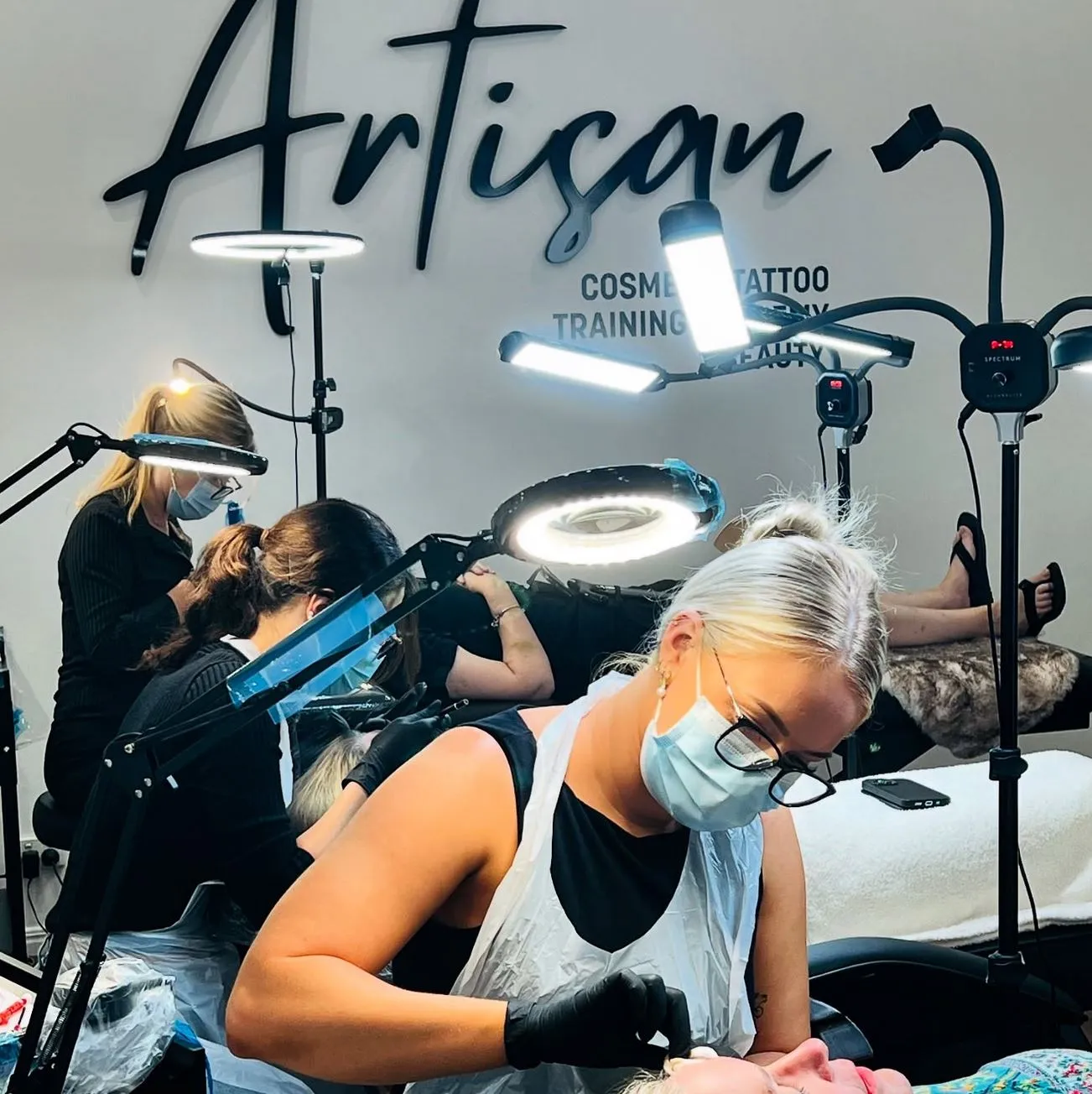
Tattooing in Australia is regulated at a state and territory level, and home-based setups aren’t automatically illegal — but they are highly regulated. Whether you’re offering tattooing services, cosmetic tattooing procedures or body piercing, there are layers of licensing requirements and council requirements to meet.
Here’s a state-by-state breakdown:
| State/Territory | Can You Tattoo from Home? | Licensing Required? | Health Dept Approval? |
|---|---|---|---|
| NSW | Technically yes, but must meet council health standards | Yes | Yes |
| VIC | Yes, but must register with the council as a personal appearance service | Yes | Yes |
| QLD | Yes, if approved as a “regulated business” under the local council | Yes (Tattoo Licence + Premises Licence) | Yes |
| WA | Possible but rare. Requires local government approval | Yes | Yes |
| SA | Yes, but registration and inspections apply | Yes | Yes |
| TAS | Uncommon. Must meet strict hygiene codes | Yes | Yes |
| ACT | Yes with council approval | Yes | Yes |
| NT | Limited regulation but still requires hygienic premises | Not formalised | Recommended |
Bottom line: No matter where you live, you’ll need to tick a few serious boxes around licensing, health inspections, and safety standards.
Health & Hygiene: Not Optional
This is where most home tattoo setups fall short. Every council and state health department will require you to:
- Install a dedicated handwashing basin with warm running water
- Use approved disinfectants and sterilisation processes for tattoo equipment
- Dispose of sharps in a licensed biohazard container
- Maintain documentation of cleaning, sterilisation and infection control requirements
- Separate the tattooing area from living spaces (no kitchens, no bedrooms)
Tattooing and piercing parlours are strictly regulated for a reason: the risk of spreading infectious diseases and blood-borne disease is high when hygiene is neglected. So unless your spare room looks like a mini-surgical suite, you’re not up to code.
Insurance, Liability & Council Oversight
Running a tattoo studio from home without proper insurance is like free-climbing without a harness. If someone has a reaction, infection or scar — you could be sued for negligence.
To protect yourself you’d need:
- Public liability insurance (covers accidents/injuries)
- Professional indemnity insurance (covers your actual tattooing services)
- Premises insurance (covers your space/equipment)
And your local council may inspect your premises at any time and revoke your approval if health standards aren’t met. Business operators who fail inspections can lose their business approval.
Why Pro Studios Still Rule in 2025
According to the 2025 Tattoo Industry Report by IBISWorld:
- 78% of Australians who got inked in 2024 went to a registered tattoo studio
- Demand for cosmetic tattooing and brow treatments is up 31% year on year
- Complaints about unlicensed tattoo artists are up 62% since 2023
The report also found that consumers are more aware of health issues and policies around tattoos and cultural background and medical treatment.
What About Cosmetic Tattooing (Brows, Lips, etc)?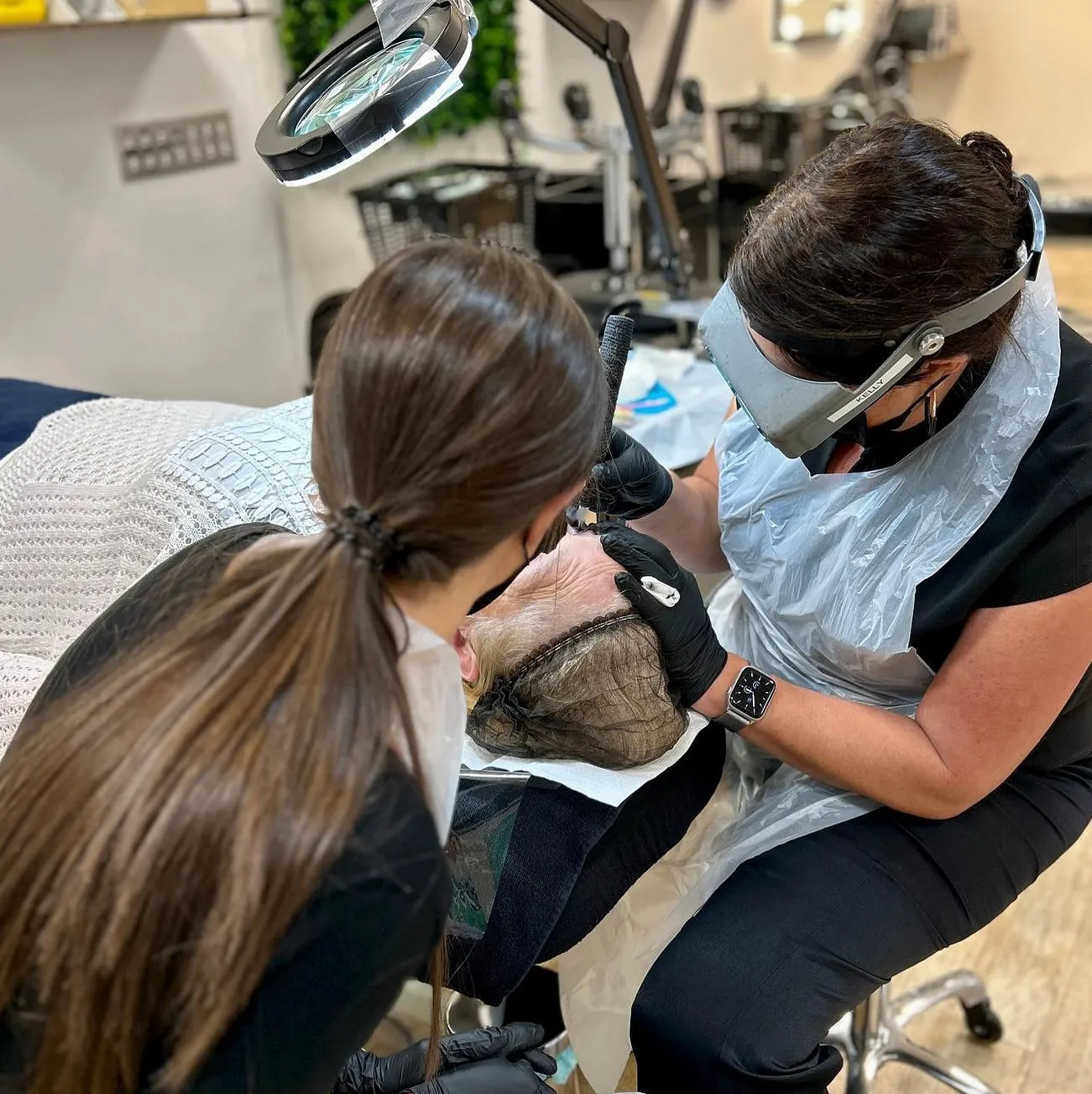
Cosmetic tattooing or micropigmentation follows the same rules. In Victoria for example, it’s classified as a ‘high-risk personal appearance service’ which means:
- You must register with your local council
- You need an Infection Control qualification (like SHBBINF002)
- Your home setup must meet hygiene and control requirements
Even if you only do brows, you’re still injecting pigment into the skin — so the rules apply.
When a Home Setup Might Work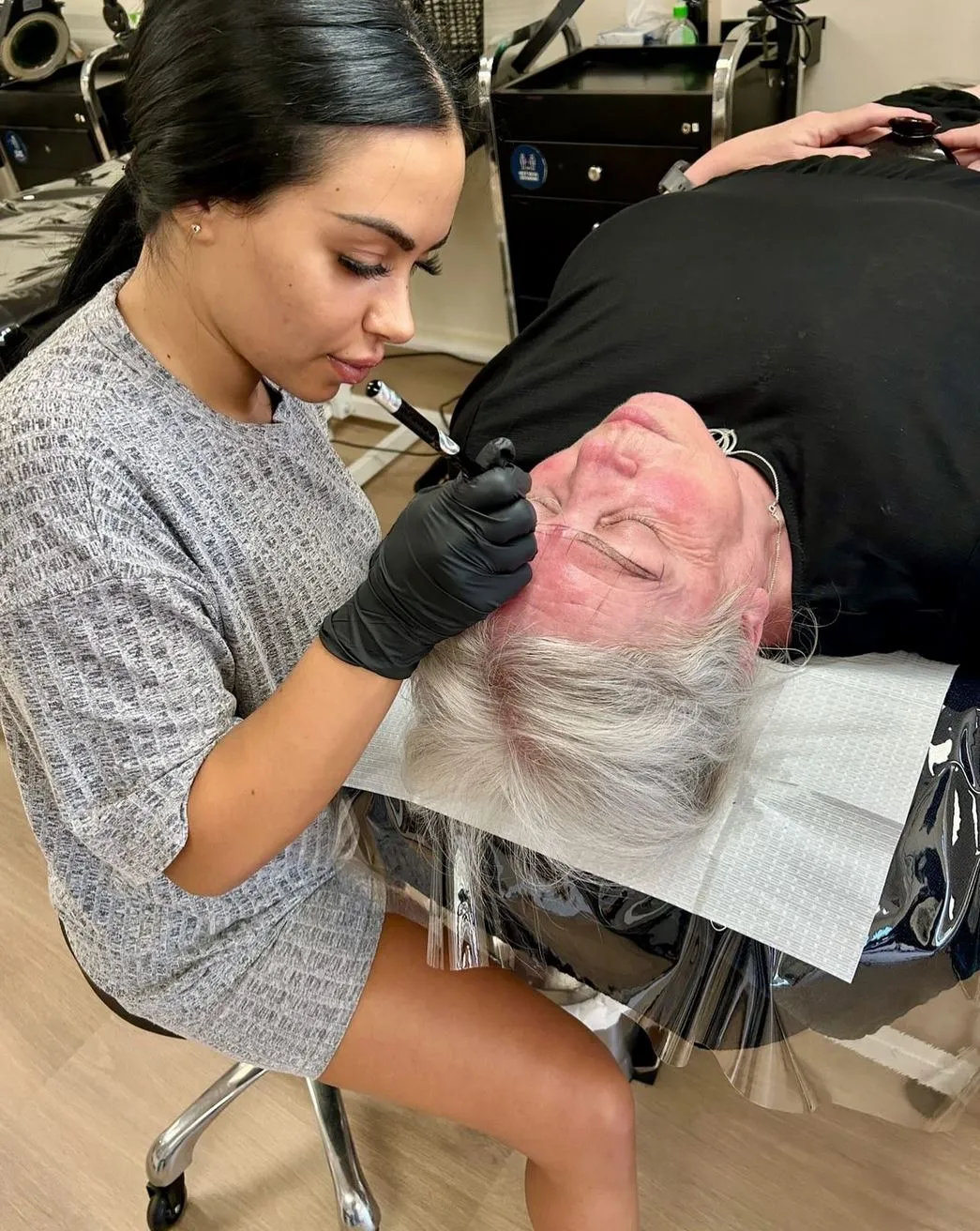
It might work if:
- You have a separate building (like a granny flat) that meets council codes
- You have approval from your local council and have passed the full assessment process
- You have all the relevant certifications and licenses, including a tattooist licence
It definitely doesn’t if:
- You’re tattooing in your bedroom or garage
- You haven’t told the council
- You’re using dodgy tattoo equipment from overseas without safety checks
- You’re winging it on hygiene or reusing equipment
Building a Real Career in Tattooing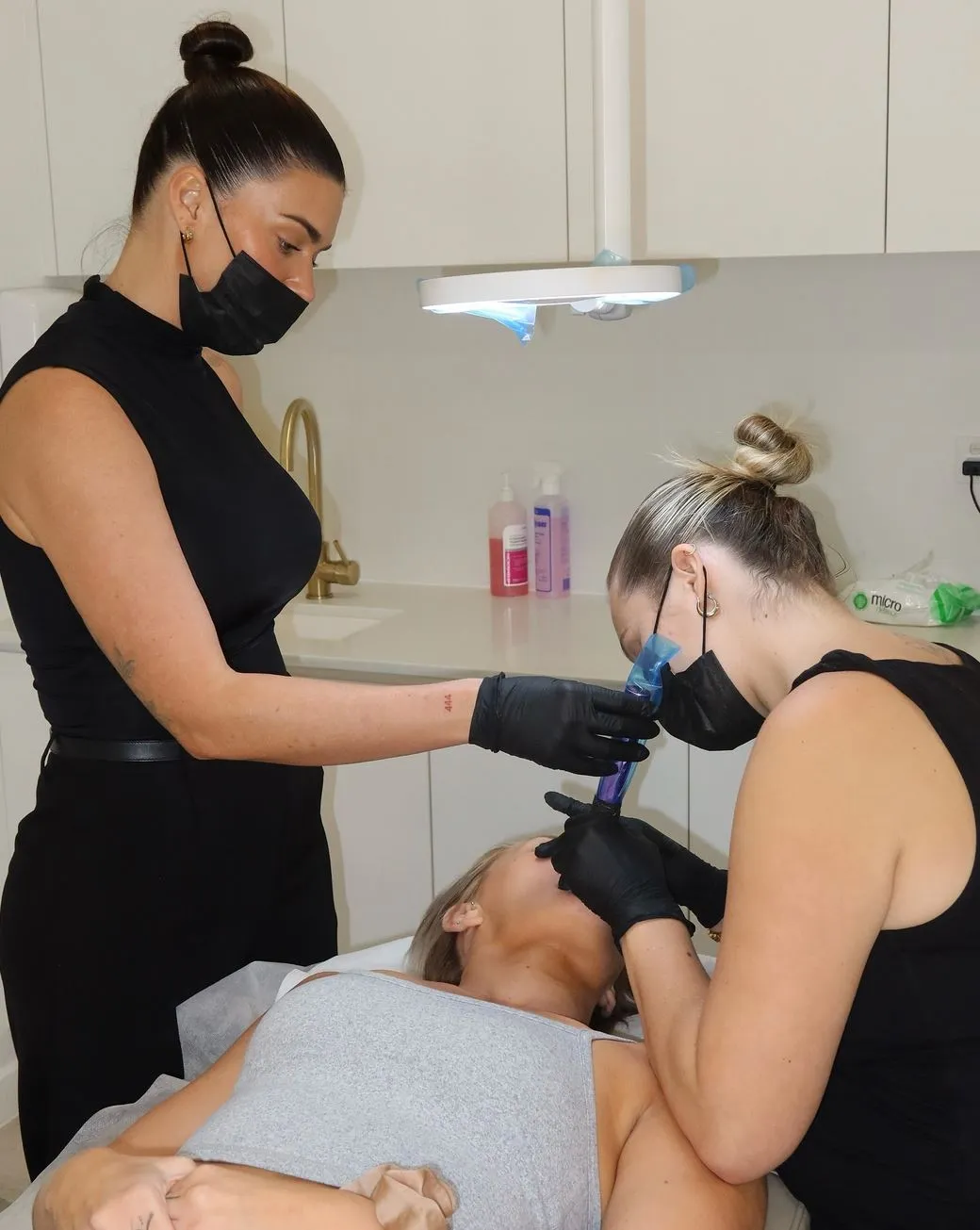
If you want to be a tattoo artist or offer cosmetic tattooing services there are safer and smarter ways. Every business owner in this field should:
- Start with training: Look for a TGA-registered course or cosmetic tattoo course and find a mentor who works in a clean, council-approved tattoo studio.
- Work under supervision: Many states require new tattoo artists and body piercers to work under an established practitioner for a set business day threshold.
- Get hygiene training: SHBBINF002 is the minimum in most states. Some councils also want CPR or first aid certs.
- Apply for licenses early: The application process can take months depending on council workloads.
- Create a basic business plan: Know your business structures, equipment needs and overheads. Treat this like a real business because it is.
- Consider renting a room in a studio: It’s cheaper than fitting out your own and avoids the legal risks of a home setup.
Final Thoughts
Tattooing from home might seem convenient but in reality? It’s a legal, hygienic and professional minefield if you don’t do it by the book. Councils are stepping up their game and clients are more educated than ever about beauty businesses, artist focus and safe business practices.
If you want longevity in the beauty industry or tattoo industry don’t gamble your future on a shortcut. Get qualified, get approved and take pride in running a clean, council-registered setup – whether that’s in a studio or a fit-for-purpose space at home.
Interested in how to turn your passion into a legit business? I’d be happy to walk you through the steps I took to open my first council-approved studio. Just hit me up with your questions about the tattooing process, business approval or policies about tattoos.