The Little Penguin Bus

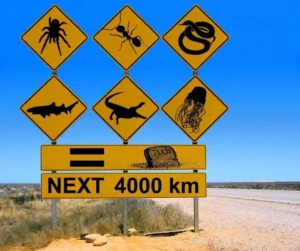
The fifth continent is home to five of the seven most venomous spiders and nine of the ten most dangerous snakes. In addition, there are insects, sharks and crocodiles. Australians are used to living among such creatures and have adapted to protect themselves from them, and the tourist needs to be constantly alert.
How do I stay safe when travelling in Australia

Table of Contents

Flora and fauna: beautiful but dangerous

Not all dangerous creatures are aggressive; mostly, they are fearful and avoid meeting a person. Therefore, you should not be afraid to plan a holiday in Australia, especially since tour operators select exciting and safe places for travel. But it would be best if you were not careless because meeting with wild animals on their territory can end tragically.

Animals

Sea wasp

The greatest danger to humans is:

  • Snakes. They hide in dark places and reach for warmth, so all nooks should be carefully checked. In addition to land snakes, there are also poisonous sea snakes.
  • Jellyfish. Sea wasp, Irukandji, box – their venom can cause paralysis of limbs and respiratory arrest.
  • Sharks. In coastal waters, there are tigers and great white sharks.
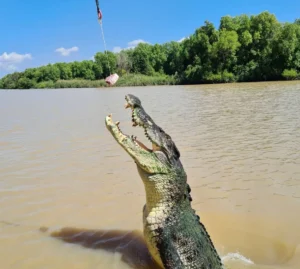
  • Crocodiles. Indiscriminate in food, so they attack humans.
  • Sea creatures. Stingrays, octopuses, cone shells, and needlefish inflict deadly bites.
  • Wild mammals. Dingo dogs attack in packs, casuals with sharp claws tear the victim, kangaroos with a potent blow knockdown can cause deep wounds with claws, and platypuses have poisonous spines on their hind legs. 
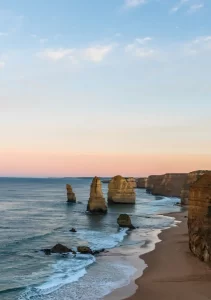
READ  Things to do Great Ocean Road

Insects and spiders

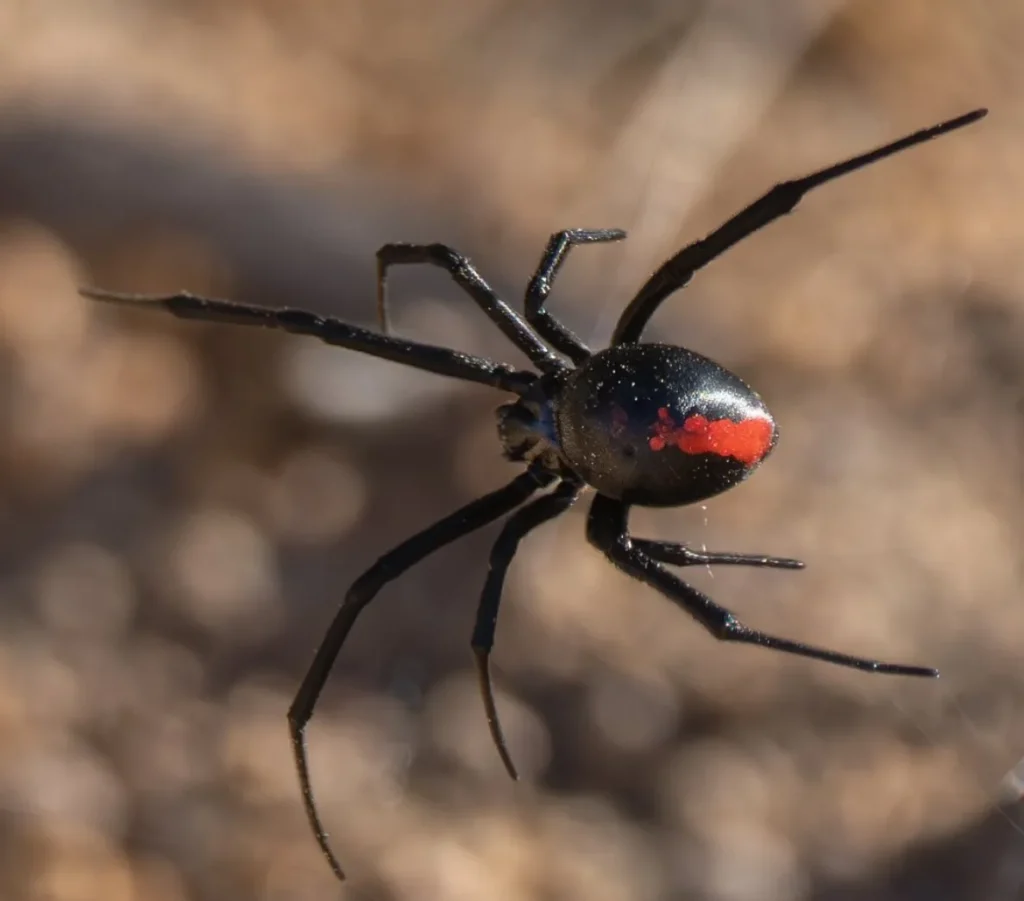
The first spiders and mosquitoes of the genus Kusaka share first place. Next, come scorpions and fire ants. Among spiders, the following stand out: redback, a tarantula and black widow, but the most dangerous is the atracidae (Sydney and northern). Mosquitoes carry four types of deadly diseases, including encephalitis and fever. Scorpions prick with a poisonous sting, and fire ants attack the offender with the whole colony and bite, injecting poison, an allergic reaction that can lead to death. At best, the victim will be left with multiple blisters and swelling.

Plants

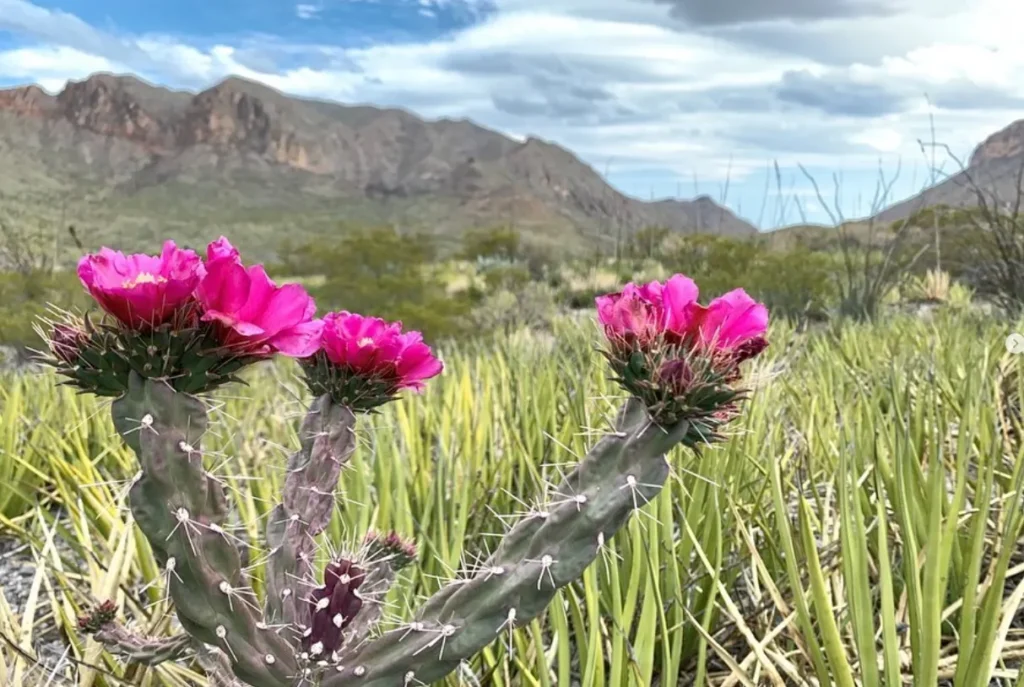
Cylindropuntia
The flora of the fifth continent can also be harmful. There are about two thousand toxic plants throughout the continent. For example, in Queensland, grows the tree nettle – Laportea, the trunk reaches three metres in circumference, and the leaves are covered with hairs that contain formic acid and injected into the skin on contact and its last year’s dry leaves cause spastic reactions in the form of sneezing. The giant Mexican cactus Cylindropuntia grows in the same region, with sharp 4-centimetre needles that can even puncture a car tyre.

How to avoid danger when travelling in Australia?

The main requirement is not to stray from the route planned by the guide. Tourists are offered traditional excursions in Australia, which lie along the safest parts of the country. If you have to travel through national parks, you should wear closed shoes, wear tight trousers and strictly adhere to the rules of behaviour:

  • Do not go into dense thickets;
  • watch your feet when walking on the grass;
  • do not provoke wild animals and snakes;
  • do not swim in random bodies of water, especially in muddy rivers and lakes.

In cities, the main thing is anti-mosquito nets and sprays. A snake or spider can get into shoes left behind the threshold, and for the same reasons, you should close doors. It is dangerous to drive at night because of the possibility of collision with kangaroos or other animals.

READ  Jumping crocodile cruises on the Adelaide River

It would be best if you only swam at official beaches marked with warning signs and have lifeguards on duty. If a sea snake appears in the water, you should try not to move; then, it will not attack. To avoid getting caught by a shark, it is worth following the rules and do not swim if there is at least one coincidence:

  • there is a fresh wound on the body;
  • the water is murky and deep (far from the shore);
  • swarms of fish swimming randomly;
  • the dark time of day;
  • fishermen are baiting and catching fish.

Swimming with pets and in jewellery is also not allowed, similar to the shine of fish scales, which can attract sharks. 

First aid in a dangerous situation

Poisonous bites are not uncommon in Australia, so any hospital has a set of antidotes; the main thing is to get the victim in 20 minutes because the poison is quickly absorbed into the blood and spread throughout the body. To slow down this process, there are rules of first aid for poisonous bites (spiders, snakes, etc.):

  • Do not move the affected limb.
  • Apply a tight bandage above the bite site, slowing blood flow.
  • Secure a splint for immobilisation.
  • Record the time of the bite and bandage.

If the bite is not a particularly dangerous spider, it will be enough to apply cold, but going to a doctor is mandatory.

Although Australia is full of dangers, following simple rules of behaviour will help avoid trouble, and locals will readily advise how to behave to keep healthy and get pleasant impressions and positive emotions from the trip. 

READ  Cassius: The World's Largest Croc at Australia Zoo

Popular articles

Scroll to Top